Iptv Futebol
Bíblia Vulgata e IPTV: fé, cultura e desporto ao vivo numa só tela Quem estuda a Bíblia Vulgata procura profundidade, silêncio e c…
READ FULL STUDY →“In principio creavit Deus caelum et terram. Terra autem erat inanis et vacua.” — Genesis 1:1-2, Vulgata Clementina
Biblia Vulgata — the timeless Latin Bible of St. Jerome. Read all 73 books in authentic Latin, explore English study guides, manuscripts, psalms, gospels and 1,600 years of history on bibliavulgata.com.
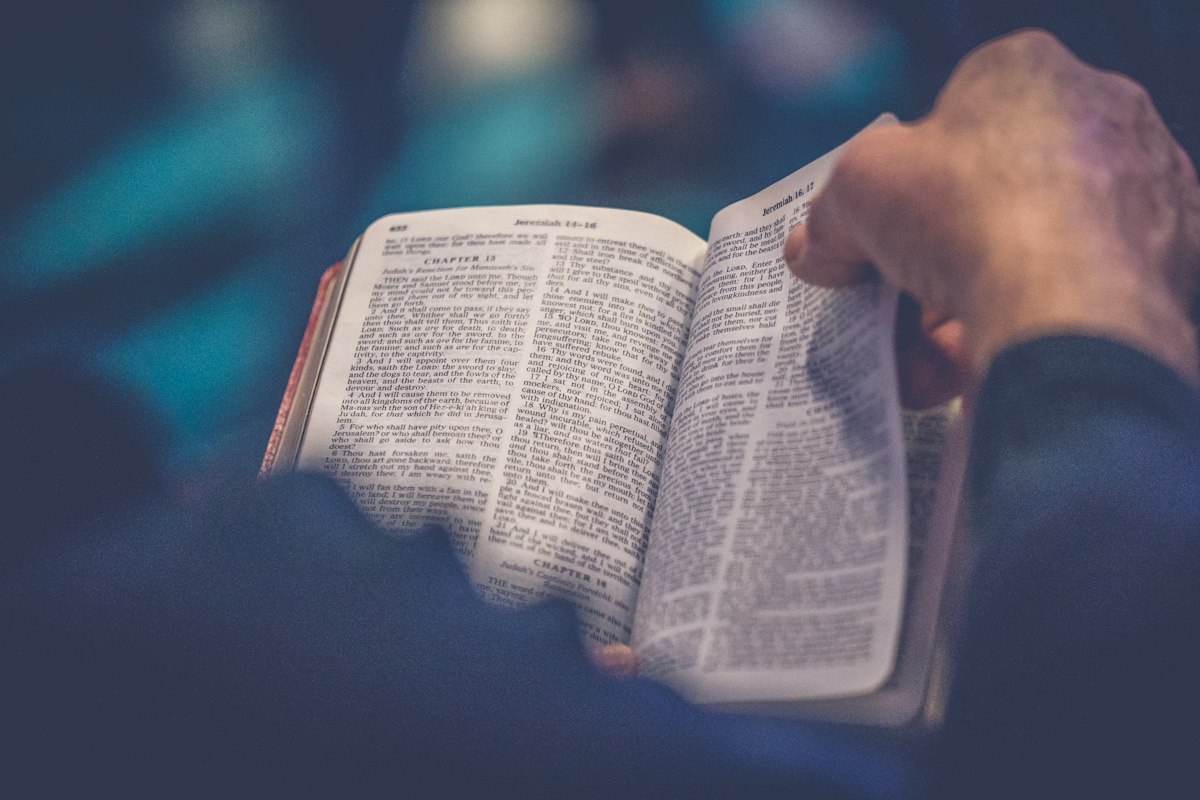

Dominus illuminatio mea et salus mea, quem timebo?PSALMUS 26:1 — THE LORD IS MY LIGHT
Biblia Vulgata is the Latin translation made by St. Jerome between 382 and 405 AD at the request of Pope Damasus I. For over a millennium it was the official Bible of Western Christianity.

Why Vulgata? Before Jerome, Old Latin versions were fragmented and inconsistent. Jerome returned to the Hebraica Veritas — the Hebrew truth — and the Greek Septuagint to create a single, poetic, precise text.
From Charlemagne to Gutenberg — the first book ever printed in 1455 was the Vulgate. From monasteries to universities, this text taught Europe to read, pray and think in Latin for 1500 years.
On bibliavulgata.com we restore this heritage digitally: searchable Latin text, Clementine edition, parallel study notes, pronunciation guides and daily liturgical readings.
73 sacred books. Four great divisions. One eternal story. Dive into the structure Jerome gave to the world.

In principio creavit Deus caelum et terram. Creation, Patriarchs, Exodus.
READ STUDY →
Dominus regit me et nihil mihi deerit. The heart of monastic prayer.
PRAY PSALMS →
Verbum caro factum est. Matthew, Mark, Luke and John in Latin.
READ GOSPELS →
Isaias, Ieremias, Ezechiel, Daniel — voices of hope and judgment.
LEARN HISTORY →Meditate in the original Latin. Each verse with classical pronunciation and English meaning for study and prayer.
In principio creavit Deus caelum et terram.
In the beginning God created heaven and earth. The opening that defined time itself.
Dominus regit me, et nihil mihi deerit.
The Lord rules me and I shall want nothing. The shepherd psalm in Gallican Latin.
In principio erat Verbum, et Verbum erat apud Deum.
In the beginning was the Word. The most famous sentence in Latin literature.
Cor mundum crea in me, Deus.
Create a clean heart in me, O God. Miserere — psalm of repentance.
Beati pauperes spiritu, quoniam ipsorum est regnum caelorum.
Blessed are the poor in spirit. The Beatitudes from the Sermon on the Mount.
Diligentibus Deum omnia cooperantur in bonum.
To them that love God, all things work together unto good. Paul's promise.



Pope Damasus I asks his secretary Jerome to revise the chaotic Old Latin Gospels. Jerome begins in Rome, then withdraws to a cave in Bethlehem to master Hebrew with rabbis.
After 23 years, Jerome finishes the complete Bible. Vulgata — the common edition — spreads through monasteries. Alcuin, Cassiodorus and Benedictines copy it by hand for 1000 years.
The first book printed with movable type is Jerome's Vulgate — the Gutenberg Bible. 180 copies change Europe forever and make Latin truly universal.
Pope Clement VIII promulgates the official Sixto-Clementine Vulgate. This text with chapters by Stephen Langton and verses by Robert Estienne becomes the standard we use today.

bibliavulgata.com brings the Clementine text online with search, parallel English, audio pronunciation and daily office readings — for scholars, believers and Latin lovers.
The Vulgate is the best Latin textbook ever written — simple, musical, repetitive. Perfect for beginners and scholars.
Latin Clementine side-by-side with clear English. Tap any verse to see grammar, vocabulary and cross-references from Genesis to Apocalypse.
Search any Latin word — Deus, Verbum, Lux, Gratia — and instantly find all 10,000+ occurrences with context and frequency charts.
Listen to Psalms and Gospels in restored Roman ecclesiastical pronunciation. Ideal for prayer, memorization and liturgy.
Matins, Lauds, Vespers — the monastic cursus with Vulgate psalms for every day, following the Rule of St. Benedict.
High-resolution Codex Amiatinus, Lindisfarne, Book of Kells. Compare Jerome's text across 20 famous codices.
From Pater Noster to Cicero: 60 lessons using only Vulgate sentences. Master declensions while reading John 1.
Exegesis, Latin grammar, manuscript discoveries and liturgical guides — updated weekly by our editors.
Bíblia Vulgata e IPTV: fé, cultura e desporto ao vivo numa só tela Quem estuda a Bíblia Vulgata procura profundidade, silêncio e c…
READ FULL STUDY →Biblia Vulgata is the Latin Bible translated by St. Jerome (382-405 AD). Vulgata means made common — translated into the everyday Latin everyone spoke. It contains 73 books and was the official Bible of the Catholic Church until 1979.
No. Jerome wrote in simple, clear Latin on purpose. If you know Pater Noster and Ave Maria, you already know Vulgate grammar. Start with Genesis 1, Psalm 22 and John 1 — short sentences, repeated vocabulary.
We use the Clementine Vulgate (1592) with modern punctuation, chapters and verses. It is public domain, stable and identical to what Gutenberg printed and monks chanted for centuries.
Yes. All Latin texts are public domain. Use them for Liturgy of the Hours, personal lectio divina, academic papers and Latin classes. Daily readings follow the traditional lectionary.
Modern Bibles translate from Hebrew/Greek to English. Vulgate is Jerome's own Latin witness — closer to ancient interpretation, with beautiful poetry lost in translation: fiat lux, vanitas vanitatum, noli me tangere.
Join 12,000 readers studying one chapter a day. Genesis to Apocalypse in 365 days, in Latin with English guide. Free forever.